What Is a Personnel Basket Transfer?
Offshore personnel basket transfers — also called Billy Pugh basket transfers — are one of the most common causes of serious injury in Gulf of Mexico operations, and when they go wrong, multiple parties can be held legally liable: the crane operator’s employer, the vessel owner, the platform operator, and the equipment manufacturer.
A personnel basket transfer is used when direct docking between a supply vessel and a platform or rig is not possible. A crane lowers the transfer basket onto the deck of the vessel. The worker stands on the basket’s rim or holds onto its netting. The crane operator then lifts the basket off the vessel deck and swings it across to the platform, rig, or structure. The entire operation depends on precise timing, clear communication between the crane operator and deck crew, and equipment in proper working condition.
The International Marine Contractors Association sets the international standard for safe personnel basket transfer operations in IMCA SEL 025 Rev. 1 — covering communication protocols, pre-transfer briefings, PPE requirements, and weather assessment. When operators deviate from this standard, injuries follow.

Common Causes of Offshore Basket Transfer Accidents
Basket transfer accidents are almost always preventable — and when they occur, they are almost always the result of employer or operator negligence. The most common causes LKSA sees in Gulf of Mexico basket transfer cases:
Equipment Failure and Inadequate Maintenance
Personnel baskets, cranes, and rigging must be regularly inspected and maintained to manufacturer specifications. A frayed cable, a corroded shackle, a basket that exceeds its rated weight capacity, or a crane with a known mechanical defect are all grounds for a negligence claim — and for an unseaworthiness claim against the vessel owner if the defective equipment was part of the vessel’s gear.
Negligent Crane Operation
The crane operator controls the entire transfer. Starting the lift before a worker has a secure hold, swinging the basket too fast so it makes contact with the platform, or failing to account for vessel movement in rough seas — any of these errors can send a worker into the water or slam them into a structure. Crane operators involved in personnel transfers must be certified. An uncertified operator, or a certified operator who was inadequately supervised, is direct evidence of employer negligence.
Inadequate Training and Safety Protocols
Every worker involved in a basket transfer — not just the crane operator — requires training on the specific procedures for that operation. This includes the signalman (banksman), deck crew, and the worker being transferred. When an employer puts workers through a basket transfer without a pre-transfer briefing, written lift plan, or clear communication protocol, that failure supports both a Jones Act negligence claim and a finding of unseaworthy conditions.
Adverse Weather and Sea Conditions
High winds, rough seas, reduced visibility, and vessel movement in a swell all dramatically increase the risk of a basket transfer accident. Supervisors have a legal duty to assess conditions before every transfer and halt operations when conditions are unsafe. An employer who orders a transfer to proceed in unsafe conditions — or who pressures a supervisor to proceed despite objections — bears liability for whatever happens next.
Vessel and Platform Design Deficiencies
The deck layout of the supply vessel and the landing zone on the platform must be designed for safe transfers. Inadequate transfer zones, poor lighting, obstructions in the swing path, or a platform edge that is too narrow to safely land a basket are design deficiencies that can support an unseaworthiness claim against the vessel or platform owner — separate from any negligence claim against your direct employer.
Employer and Operator Legal Obligations in Basket Transfer Operations
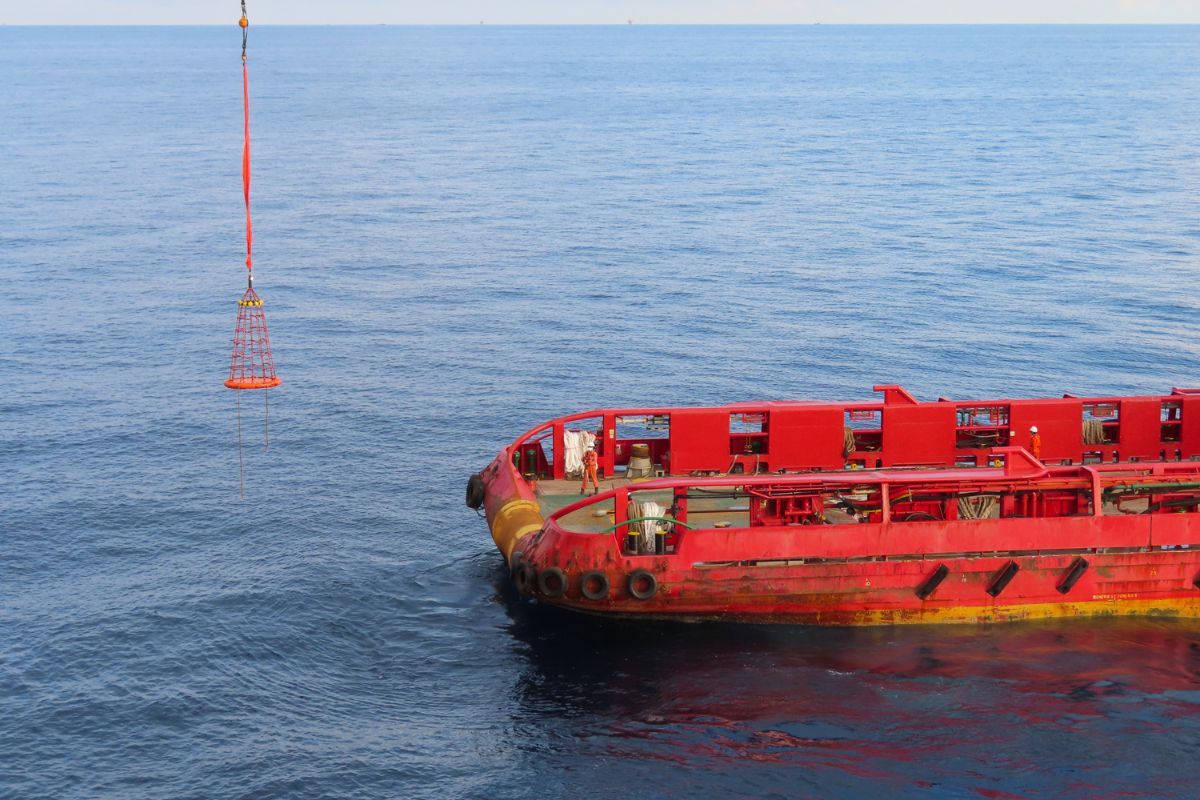
Multiple parties have legal obligations when personnel basket transfers are performed — and multiple parties can be held liable when those obligations are not met.
Your employer’s obligations under the Jones Act and general maritime law include:
- Providing a seaworthy vessel and properly maintained equipment — including the personnel basket, crane, and all rigging. Equipment that is defective, worn, or inadequate creates an unseaworthiness claim against the vessel owner.
- Employing a qualified, certified crane operator. Beginning a transfer before a worker is secure, or operating the crane too quickly so the basket swings uncontrollably, are direct acts of negligence.
- Implementing a written lift plan and pre-transfer briefing for every basket transfer operation.
- Assessing weather and sea conditions before every transfer — and halting operations when conditions are unsafe.
The International Marine Contractors Association (IMCA) guidance on personnel basket transfers, IMCA SEL 025 Rev. 1, sets the industry standard for safe transfer operations including communication protocols, banksman requirements, and PPE. Employer deviations from IMCA standards are routinely cited as evidence of negligence in basket transfer injury litigation.
On the Outer Continental Shelf, BSEE (Bureau of Safety and Environmental Enforcement) regulations at 30 C.F.R. Part 250 govern safe operations on platforms and rigs. BSEE incidents of non-compliance (INCs) issued to an operator following a basket transfer accident can be powerful evidence in a negligence claim.
Who Can Be Held Liable in an Offshore Basket Transfer Accident?
Basket transfer accidents often involve multiple parties — and identifying every potentially liable party is one of the most important things a maritime attorney does in the early stages of a case. Depending on the facts, claims may exist against:
- Your direct employer (Jones Act claim): If you qualify as a Jones Act seaman, you can sue your employer for negligence. The featherweight causation standard means even the slightest employer fault supports a claim.
- The vessel owner (unseaworthiness claim): If the personnel basket, crane, or rigging was defective or not reasonably fit for its intended purpose, the vessel owner may be liable under general maritime law for unseaworthiness — regardless of negligence.
- The platform or rig operator (OCSLA/third-party claim): If you were being transferred to or from a fixed platform on the Outer Continental Shelf, the platform operator owes independent safety obligations and may be liable for failure to maintain safe transfer procedures or equipment.
- The crane contractor (third-party negligence): When the crane is operated by a separate contractor — not your direct employer — that contractor can be sued directly for negligent crane operation.
- The equipment manufacturer (products liability): If the personnel basket or crane equipment was defective, the manufacturer may be liable under products liability law, separate from and in addition to maritime claims.
Running all applicable claims simultaneously is the standard approach in serious basket transfer injury cases. An LKSA attorney will identify every available claim in a free consultation.
What to Do After a Basket Transfer Injury
If you were injured in a personnel basket transfer, the steps you take immediately affect your legal claim:
1. Get medical care immediately — tell medical staff exactly how the injury occurred and what body parts were affected.
2. Report in writing to your supervisor or the vessel/platform operator on the same day if possible.
3. Document everything — photos of the basket, crane, rigging, weather conditions, and any visible damage.
4. Get witness information — names and contact details of everyone who saw the transfer.
5. Do not give a recorded statement to your employer, the platform operator, or any insurer before speaking with an attorney.
6. Contact LKSA immediately — basket transfer cases involve multiple parties and short deadlines. (504) 588-1500.
The Jones Act gives most seamen three years to file a claim, but third-party claims and OCSLA claims may have different deadlines. Contact a maritime attorney as soon as possible to protect all available claims.
Talk to an LKSA Attorney About Your Basket Transfer Injury
LKSA has represented workers injured in offshore basket transfer accidents and all types of offshore personnel transfer incidents throughout the Gulf Coast for over 35 years. Our attorneys have served as court-appointed counsel in two of the most significant maritime disasters in American history — the Deepwater Horizon explosion and the SEACOR Power capsizing — giving us direct experience with the multi-party liability structures that define complex offshore accident litigation.
If you were injured in a basket transfer, do not wait. Multiple deadlines may apply depending on which parties are liable and where the injury occurred.