LEADERSHIP IN AMERICA’S MOST CONSEQUENTIAL MARITIME DISASTERS

New Orleans Maritime & Admiralty Lawyers

When the nation’s worst maritime disasters require legal leadership, federal courts appoint LKSA. Our attorneys have served in the most prominent roles in America’s largest maritime litigations, and we bring that same level of dedication to every client’s case.

Navigating the Unique World of Maritime & Admiralty Law

Maritime law, also known as admiralty law, is a distinct body of law governing activities on the high seas and navigable waters. Unlike land-based personal injury cases, maritime incidents are often governed by complex federal statutes like the Jones Act, LHWCA, and others. For individuals working in and around the demanding environments of the Gulf Coast – from the bustling ports of New Orleans to the vast offshore oil fields of Louisiana – understanding these laws is crucial.

At Lewis, Kullman, Sterbcow & Abramson, LLC, our maritime lawyers have cultivated a substantial reputation as a highly capable maritime and admiralty law litigation firm. Our approach is rooted in a comprehensive understanding of these specialized laws, enabling us to represent you with formidable capability and deep compassion. We are dedicated to the pursuit of justice for those injured on or near navigable waters, ensuring their rights are vigorously protected.

Leaders in America’s Most Consequential Maritime Disasters

A true measure of a firm’s capability is the trust placed in it by the judiciary to lead in times of crisis. Federal courts have repeatedly appointed our attorneys to leadership roles in the nation’s most significant maritime disasters.

  • Deepwater Horizon Disaster: Managing Member Paul Sterbcow was selected by the federal court to serve on the Plaintiffs’ Steering Committee, acting as Co-Lead Trial Counsel for the pivotal liability trial against BP. Beth Abramson, Jessica Ibert and Ian Taylor also served on the Deepwater Horizon Litigation Trial Team, working to achieve a significant liability verdict against BP and the other defendants.
  • SEACOR Power Tragedy: In the litigation following this disaster, Paul Sterbcow was appointed Plaintiffs’ Co-Liaison Counsel, and Member Ian Taylor was appointed to the Executive Committee.

Our reputation is further built on elite credentials and a commitment to academic excellence. Our attorneys have authored over 100 papers and are recognized by the most prestigious, invitation-only trial lawyer organizations in the world, including the American College of Trial Lawyers (ACTL) and the International Academy of Trial Lawyers (IATL). This is why judges and attorneys throughout the United States refer their most complex maritime cases to us, recognizing our firm as “Lawyers’ Lawyers.”

Our attorneys have played a role in many cases that have shaped maritime law, including those that defined:

  • The requirements for a person and a vessel to be governed by the Jones Act.
  • The elements of recoverable damages under general maritime law.
  • The availability of punitive damages to Jones Act seamen, longshore and harbor workers, and recreational boating accident victims.

The true measure of our capabilities is reflected in the large number of maritime and admiralty law referrals we receive from other lawyers throughout the United States. They trust us because they know our history of impactful advocacy.

Key Laws Protecting Maritime Workers

Our firm possesses in-depth knowledge of the specific statutes designed to protect maritime workers and those affected by incidents at sea. We are prepared to assist you with claims under:

  • The Jones Act – If you are a seaman injured while working on a vessel, the Jones Act provides vital protections. We help navigate these claims to secure your fair compensation for employer negligence.
  • Longshore and Harbor Workers’ Compensation Act (LHWCA)For longshoremen, harbor workers, and other specific maritime employees, the LHWCA offers federal workers’ compensation. We guide you through the claims process to ensure you receive benefits.
  • Offshore AccidentsInjuries on oil rigs, platforms, or other offshore installations fall under complex laws. We advocate for victims seeking justice for serious offshore incidents and their lasting impact.
  • Outer Continental Shelf Lands Act (OCSLA)Accidents occurring on the Outer Continental Shelf often fall under OCSLA, a law with specific provisions for injury claims. We provide legal counsel for these unique situations.
  • Death on the High Seas Act (DOHSA)When a fatality occurs beyond a marine league from shore, DOHSA governs wrongful death claims, offering specific avenues for grieving families seeking justice and recovery.

Types of Accidents & Workers We Represent

Our legal team has successfully navigated the complexities of a wide array of maritime and admiralty law cases, providing dedicated representation for victims of incidents across the industry. Our experience covers, but is not limited to:

  • Vessel & Platform Collisions: Including ship-to-ship, vessel-to-bridge, and offshore oilfield vessel collisions with platforms or other structures.
  • Offshore Drilling & Production Incidents: Such as drill floor equipment malfunctions, well blowouts, fires, explosions on vessels, drilling rigs, and production platforms, and lift boat collapses.
  • Hazardous Vessel Conditions: Incidents caused by defective decks, unsafe equipment, or general unseaworthiness.
  • Negligent Operations: Cases involving negligent vessel operation by captains and crew, or the failure to rescue a person overboard.
  • Cargo & Lifting Injuries: Accidents during offshore supply vessel loading and unloading, or lifting injuries aboard vessels.
  • Specialized Maritime Claims: Injuries and fatalities related to commercial diving, commercial fishing and shrimping vessel equipment defects, and incidents stemming from federal maritime regulation violations, gross negligence, or intentional misconduct.

We are proud to have represented a broad spectrum of maritime workers across all aspects of the marine industry, understanding the unique roles and risks involved. Our clients include individuals from:

  • Vessel & Tugboat Crews: Captains, deckhands, engineers, and other vessel personnel.
  • Offshore Drilling & Production Teams: Including Offshore Installation Managers, toolpushers, drill crew members (e.g., drillers, floorhands, derrickmen, roustabouts), mechanics, motormen, crane operators, and production platform workers.
  • Port & Dockside Operations: Longshoremen, dock workers, cargo inspectors, and marine surveyors.
  • Specialized Maritime Industries: Commercial oilfield divers, shipbuilders and repairmen, and commercial fishing/shrimping crew members.

Securing Full & Fair Compensation for Your Maritime Injuries

If you have been injured in a maritime accident, you may be entitled to recover various types of damages. Our role is to thoroughly assess your case and pursue all available compensation from all liable parties under maritime law. Depending on the specific circumstances and applicable statutes (such as the Jones Act or LHWCA), this may include:

  • Medical Expenses: Coverage for all past, present, and future medical treatment, rehabilitation, and necessary assistive devices related to your injury.
  • Lost Wages: Compensation for earnings you’ve lost due to your inability to work, encompassing both past income and projected future losses.
  • Pain and Suffering: Damages for the physical pain, emotional distress, and mental anguish resulting from your injuries and their impact on your life.
  • Maintenance and Cure: For seamen, these fundamental benefits cover daily living expenses and medical care until you reach maximum medical improvement, paid by the employer regardless of fault.
  • Loss of Earning Capacity: Compensation for a reduced ability to earn income in the future due to permanent injuries or disability, ensuring your long-term financial stability.
  • Disfigurement or Impairment: Damages for lasting physical changes or loss of bodily function that affect your quality of life.
  • Punitive Damages: In rare cases involving gross negligence or intentional misconduct, punitive damages may be pursued to punish the wrongdoer and deter similar harmful behavior.

Our goal is to ensure you receive the maximum possible compensation to cover your losses and support your recovery, allowing you to focus on healing.

Calculating the full value of a maritime claim is a complex process. Watch our video to understand the different types of damages you may be entitled to after an offshore injury.

Your Maritime Law Questions Answered

Understanding your rights after a maritime injury can be confusing. Here are answers to some common questions our attorneys, with extensive experience in New Orleans maritime law, receive:

Also often referred to as Admiralty law. This includes commerce, navigation, marine salvage, and transportation of passengers and goods. It’s a distinct legal system with its own rules, courts, and precedents that often differ from land-based laws.

Under the Jones Act, a “seaman” is generally defined as an individual who spends a significant portion of their work time (at least 30%) on a vessel or a fleet of vessels on navigable waters, and whose duties contribute to the vessel’s mission or operation. This definition is crucial because seamen have specific rights to sue their employers for negligence if injured on the job.

The LHWCA is a federal law providing workers’ compensation benefits to certain maritime workers who are not seamen but are injured on navigable waters or any adjoining areas (like piers, docks, or terminals) used for loading, unloading, or building vessels. This includes longshoremen, shipbuilders, ship repairers, and harbor construction workers.

Maintenance and cure are fundamental rights for injured seamen under general maritime law. “Maintenance” refers to the living expenses (such as rent, utilities, and food) an injured seaman would have incurred had they not been injured. “Cure” covers reasonable and necessary medical expenses until the seaman reaches maximum medical improvement. These benefits are paid by the employer regardless of who was at fault for the injury.

The time limit for filing a maritime injury claim can vary depending on the specific law that applies (Jones Act, LHWCA, DOHSA, etc.). For many claims under the Jones Act, the statute of limitations is three years from the date of injury. However, deadlines can be much shorter for certain types of claims or against government entities. It’s critical to consult with a maritime attorney as soon as possible to understand the specific deadlines for your case.

Maritime Justice Achieved: Stories of Our Impact

Our dedication to maritime clients has led to numerous successful outcomes. We are proud of the justice we’ve secured and the trust victims and their families place in our firm.

Offshore Oilfield Helicopter Crash

Offshore Oilfield Helicopter Crash – Resulting in a traumatic brain injury.

Result: In Excess of $20,000,000 (Settlement)

Deepwater Horizon Rig Explosion

Jones Act/General Maritime Law – Representing 4 rig workers injured in the Deepwater Horizon rig explosion.

Result: In Excess of $14,421,477 (Settlement)
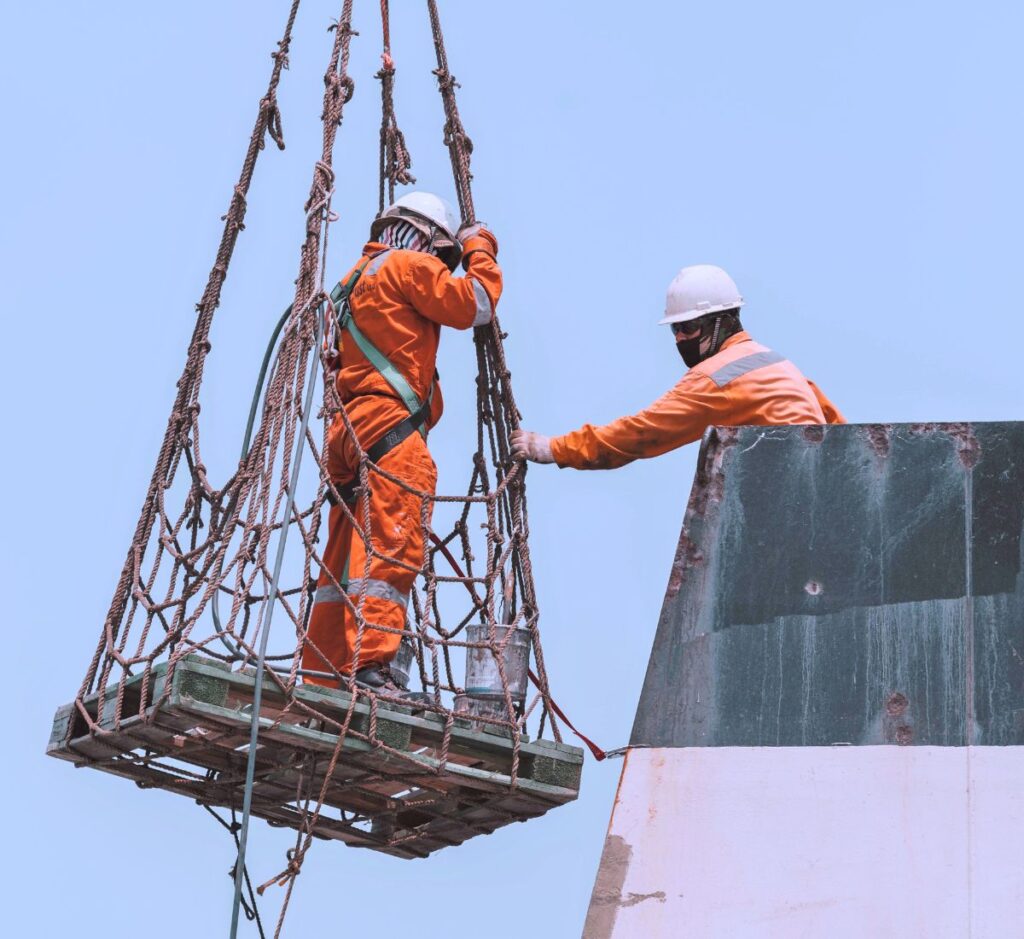
Maritime Lawyer

Injured on the Water? Take the First Step Towards Justice.

The path to justice after a maritime accident is complex, but you don’t have to navigate it alone. If you or a loved one was injured while working on or near navigable water, contact us for a free, confidential consultation.

Our experienced New Orleans maritime lawyers are ready to provide the advocacy you need.